Pasadena benefits great outdoor style. The light is brilliant, the hills are remarkable, and most nights invite you outside. The trick is developing areas that look uncomplicated and hold up to heat, clay soils, and the periodic rainstorm that checks every slope and drain. After years creating and constructing patio areas, walls, and outdoor spaces in the San Gabriel Valley, I have actually learned that success comes from fit. The best hardscape fits the site, the architecture, and the method individuals in fact live.
Start with how you utilize the space
Before talking finishes or furniture designs, I start with function. Morning coffee corner or dinner party zone. Play area or lap lane. Herb garden or cactus wall. These options choose width, circulation, and emerging. A paver patio that makes a Mediterranean bungalow feel generous is different from a porcelain terrace that complements a Mid Century home. Even a few inches of grade change can shape how guests circulation from kitchen area to grill to seating. This is where thoughtful hardscape design in Pasadena pays off, since the city's lots differ commonly, from flat San Rafael parcels to high Linda Vista hillsides.
If you are strolling a website with a designer, stand where you think of the dining table, then face the view you desire. Move till the breeze feels right. A great plan protects that feeling with the correct elevations, sun control, and planting.
The Pasadena context: climate, soils, and style
Pasadena's climate pressures both products and craftsmanship. Summer season heat and dry air demand cool-to-the-touch paving and joints that do not open up. Winter season storms are irregular however extreme, and clay soils swell, which can jack an inadequately built patio out of level in a season. Historic architecture likewise sets a high bar. Artisan bungalows, Spanish Revivals, and modern builds each benefit from a particular combination and proportion.
- Temperature swings call for growth control. Concrete wants relief joints, porcelain wants a versatile thinset and proper movement joints, pavers desire edge restraint and well compacted base. Hydrology matters more than property owners expect. The city imposes stormwater policies, and many next-door neighbors appreciate it when your overflow does not end up in their yard. Appropriate landscape drainage in Pasadena is not an add-on, it is the skeleton of the project.
Reading the website like a builder
Before the first stake strikes the ground, I try to find the clues a backyard gives. Where the pet runs, where the soil remains damp, where the oak roots mass. I make note of the soil texture, often a clay loam that needs a thicker base and good separation material under pavers. I look at existing piece elevations so door thresholds stay safe, and I determine slopes toward or away from your house. If I see efflorescence on existing block or pavers, I expect groundwater or bad drain. If a retaining wall has a tummy, I understand I will find compacted soil deficiencies or missing out on drain rock and weep holes.
On hillsides, I focus on international stability, not simply a small terrace. A keeping wall installation in Pasadena typically needs engineering evaluation once it approaches 3 to 4 feet, and tiebacks or geogrid might be required at truthful embedment depths. Shortcuts do not show on day one, however you will see them after the very first heavy rain.
Materials, selected for both appearance and longevity
Materials signal intent. They inform guests how to move and where to gather, and they impact heat underfoot and glare. Here is how I consider the big classifications we use routinely for patio construction in Pasadena.
Pavers. Concrete pavers remain the workhorse for paver outdoor patios in Pasadena. They provide color consistency, interlock strength, and repairability. Excellent paver specialists in Pasadena build on a compacted base of 4 to 8 inches of Class 2 road base, separated from the native soil by a woven geotextile when the soil is great grained. We screed 1 inch of bedding sand, set pavers tight with appropriate laying pattern, cut edges tidy, and lock the surface with polymeric sand. Expect to add concrete or aluminum edge restraints. Pavers handle micro motion well and permit later access for utilities.
Natural stone. Travertine, limestone, and quartzite are stunning under Pasadena's light. They check out ageless beside a Spanish courtyard or a modern swimming pool. I lean toward tumbled or brushed finishes for slip resistance. They require a stable base and, when utilized as set pavers, gain from the same interlocking base preparation as concrete pavers. For big format stone on deck or piece, motion joints and drainage under the surface area become critical.
Porcelain. Outdoor-rated porcelain tiles bring crisp geometry and low upkeep. They deal with spots and need little sealing, and many run cooler than dark concrete. But they require accuracy. Substrate preparation, mortar selection, coverage, and motion joints require to be best. When done right, porcelain supports a clean-lined high-end outside living aesthetic.
Concrete. Concrete wins when you desire monolithic simpleness and cost control. In Pasadena I specify 3,000 to 4,000 psi mixes, steel support sized to the panel, and relief joints every 8 to 10 feet depending on panel geometry. I avoid salt finishes near steel, and if color is very important, I favor important color over topical stains for longevity. Concrete does not forgive bad subgrade or drainage. If you get cracking from tree roots or movement, repairing it invisibly is tough.
Decomposed granite. For garden courses or informal dining pads, DG performs well when supported and crowned somewhat. It drains pipes, it reads natural, and it remains cool. It is not for high-heel events or heavy furniture drag zones, and it needs edging to keep a tidy line.
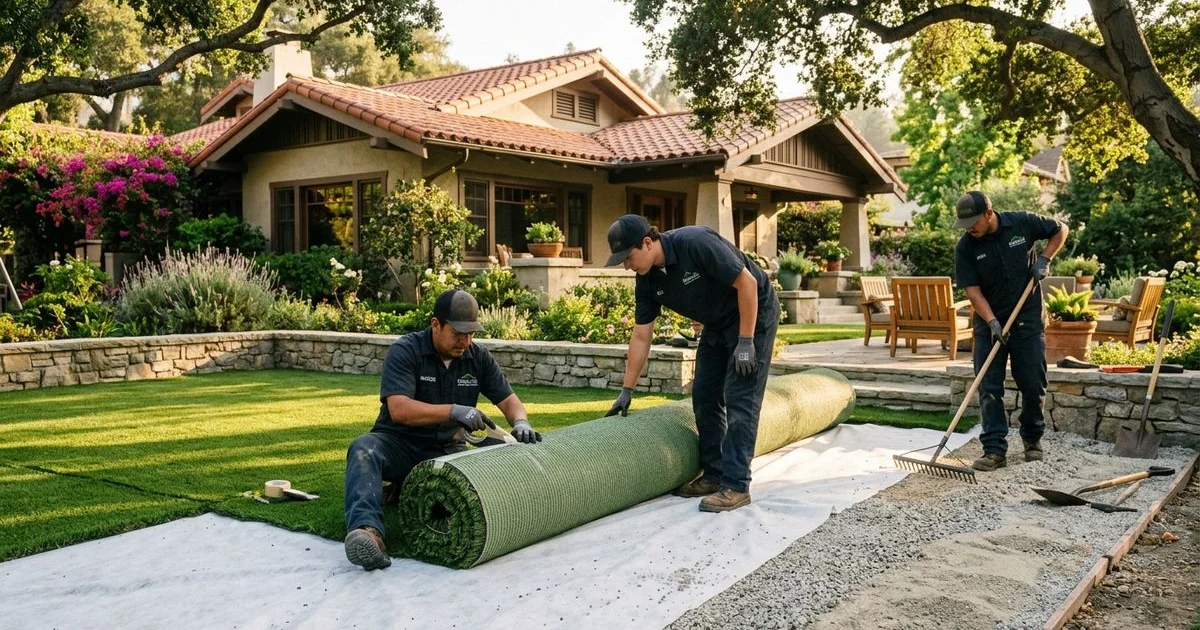
Synthetic turf. Synthetic lawn in Pasadena fixes odd shaped strips or soccer zones where irrigation restrictions materialize yard miserable. Better items have a realistic thatch, UV stabilizers, and a heat-mitigating infill. The base develop mirrors pavers, with mindful grading and a trusted boundary restraint. Just like any surface, plan for drainage under the grass, especially near swimming pool decks.
Design that respects architecture
Hardscape must frame your house, not fight it. On a Greene and Greene inspired Artisan, I echo the rhythm of the rafter tails and window mullions in the paving design, typically utilizing a running bond or herringbone at a human scale. For a 1920s Spanish, charcoal or sand pavers bordered by clay brick check out right, and a little water fountain court ends up being the heart. For a contemporary hillside home, rectangular porcelain or large format pavers with tight joints and direct drains pipes keep sightlines crisp.
Backyard landscaping in Pasadena frequently includes a sequence: kitchen off the back entrance, dining under a pergola, a lounge by the fire feature, and a little turf or DG play location. Front lawn landscaping in Pasadena tends to bring more context from the street, so we beware with wall heights and planting kinds, often using low stucco seat walls or stone cheek walls that connect into your house base.
When we handle garden style and garden landscaping, I like to stitch in the native combination. Dry spell tolerant gardens in Pasadena use salvias, manzanitas, and deer yard to soften edges, and water wise landscaping that Ridgeline Outdoor Living styles typically pairs these with contemporary irrigation tech like inline drip, pressure policy, and wise controllers. A xeriscape landscaping strategy can be rich if the spacing, mulch, and canopy layers regard sun and shade patterns.
The series that keeps develops smooth
Most outside living professionals in Pasadena get tripped up not by craftsmanship, however by sequencing. Here is the order that reduces rework and safeguards completed surfaces.
- Survey and design. Confirm residential or commercial property lines, obstacles, easements, and vertical standards. Stake the hardscape, then pressure test the layout by walking it with the client. Undergrounds. Install gas, electrical, water, and drainage. If including a swimming pool shell later on, coordinate stub outs now. Do not compact trenches halfway then call it good. Get to 90 to 95 percent relative compaction, or your patio will settle in stripes. Base and walls. Construct maintaining walls first so your outdoor patios can tuck nicely to them. Use a perforated drain, drain rock, and filter fabric, and daytime the pipe or link to a capture system as code allows. Paving and structures. Pavers, slabs, then pergolas or steel shade frames. Protect finished surface areas with board and breathable material once done. Complete kitchens, fire features, and low voltage last. Planting and watering. Final grades, drip lines, valves, topsoil, and planting. Set up mulch after punch list to avoid footprints in your clean beds.
Following that cadence, we can keep a paver outdoor patio in Pasadena pristine while trades move it, and we can test drains before anything is buried twice.
Drainage is the quiet hero
If I might make one change to how house owners evaluate quotes, it would be to weigh drain style heavier. Pasadena lots typically tip in two or 3 instructions, and older homes sit low compared to modern-day codes. Water wants to sit versus foundations and gather in lower corners. A good drain specialist in Pasadena will combine surface grades with French drains pipes, catch basins, and subsurface piping that ties lawfully into an authorized outfall or dissipates on site.
We go for 1 to 2 percent slope on patio areas. At walls, I constantly include drain rock wrapped in fabric behind the wall, a perforated pipe at the base pitched to daytime or a sump, and weep holes if utilizing masonry that permits it. Lawn drainage can include a dry well or seepage trench where soil percolation enables. When a house sits lower than the street, an automatic sump with backflow avoidance might be required. These are not attractive parts of outside home in Pasadena, but they are the parts that keep things safe and beautiful.
Retaining walls that do their job
Retaining walls look basic, yet they stop working typically. The most typical concerns are inadequate footing embedment, no geogrid for high segmental walls, and missing drain. When we manage retaining wall installation in Pasadena, we deal with every wall as a structure, not decor. If the wall exceeds the height limitation for authorization exemption, we coordinate with an engineer and the city. For timber walls, which are unusual now due to longevity and termites, I recommend against them unless the visual absolutely demands it and spending plan brings replacement planning. Concrete block with veneer, poured concrete, or engineered segmental units offer long life span. A retaining wall home builder in Pasadena ought to likewise respect trees. In particular, coast live oaks need generous root defense zones and permeable paving near their drip lines.
Outdoor kitchens, fire, and shade
Cooking outdoors requires real counter area, a landing zone on both sides of the grill, and shade during the dinner hour. I define 36 inches minimum on the pull side of a grill and 18 inches on the push side. Keep flammables a safe range from the barbecue, and if you prepare a pizza oven, account for weight and venting early. Gas lines must be sized for synchronised use if you integrate heating systems, grill, and fire feature.
Fire pits and fireplaces set the state of mind. In high fire threat periods, gas with a correct shutoff and flame picking up provides control. Select burner pans that disperse flame equally without hot spots, and plan seating heights and radii that match how you lounge. For shade, pergolas with polycarbonate or fabric covers can soften sun without making the yard feel dark. Where architecture permits, steel frames with slim profiles develop a refined high-end outside living feel.
Lighting is the last 10 percent that brings an area to life. I utilize a mix of path lights at low wattage, downlights from structures, and a few uplights to graze walls or trees. Keep it warm, around 2700 to 3000 Kelvin. Incorporate lighting stub outs throughout rough utilities to prevent trenching through a brand-new patio.
Water sensible planting that frames the hardscape
A patio area without planting is a parking lot. Garden style in Pasadena loves structure. Use evergreen foundations, then layer seasonal interest. Dry spell tolerant garden palettes need not be spiky and gray. Blue fescue and lomandra can be soft underfoot, salvias and penstemons pull hummingbirds, and Arbutus or manzanita give sculptural type. Leak irrigation with pressure controlled heads and matched rainfall keeps water utilize tight. Mulch 2 to 3 inches deep to hold wetness and suppress weeds.
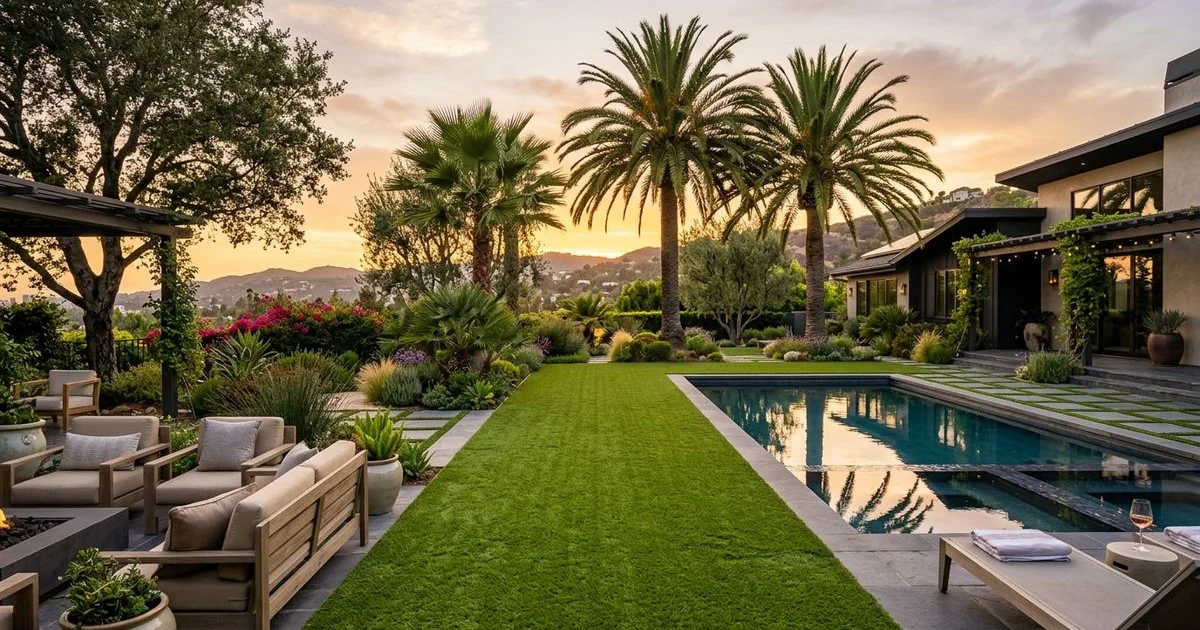
For clients who desire the green carpet appearance without heavy watering, artificial turf in Pasadena is a sensible compromise when installed well. Choose items with a cool touch infill, excellent drain through the support, and a border that holds tight versus pavers or curbs. Prevent large unbroken areas that can seem like a sports field. Break turf with planting beds or stepping pads to keep it grounded.
Permitting, codes, and neighbors
Pasadena's permitting requirements differ by scope. Small patio areas normally proceed without a building license, but gas lines, electrical work, brand-new walls over a limit height, and structures like pergolas may require evaluation. Residences in landmark districts add another layer. It pays to discuss early with the city or work with a hardscape business in Pasadena experienced with regional procedure. The evaluation might feel slow, however it prevents pricey redos.
Neighbor relations matter. On narrow lots, we set momentary fences or defense at property lines to keep crews from stepping into a next-door neighbor's planting. If a wall sits on the line, validate ownership and maintenance duty. Document preexisting cracks in nearby structures when heavy compaction is prepared, and consider vibration monitoring near fragile features.
Budget varieties and what moves the needle
Without seeing the website, any number is a guess. Still, there are patterns. A basic paver patio area in Pasadena, constructed on appropriate base with a tidy border and a few steps, often lands in a mid to high two figures per square foot variety, particularly with gain access to restraints or curves. Porcelain or natural stone on slab climbs up higher due to substrate prep and material expense. Outdoor cooking areas swing commonly due to the fact that appliances and countertops drive expense more than package itself. Maintaining walls differ by height and engineering, but drain details and facing material matter as much as height.
What moves costs most is site intricacy - tight gain access to, high slopes, bad soils, and energies. Picking a pattern that requires numerous cuts, a border with multiple insets, or raised planters with curved facings also adds time. Where budget plans are tight, I will frequently combine geometry. Less, larger spaces function better than numerous small ones, and easy, well executed products beat complex designs every time.
Working with the right team
A best landscape contractor in Pasadena shows their value in advance, long before demolition starts. They ask how you plan to utilize the space over the next five to 10 years, not simply what looks good on a mood board. They bring mockups or material samples into your light, not a showroom. They appreciate Pasadena's water constraints and suggest water sensible landscaping services that fit your design. They are not afraid to state no to information that will fail under sun and foot traffic.
If you choose a single point of responsibility, choose a hardscape home builder in Pasadena with integrated design, permitting, and build services. If you currently have a landscape architect, discover a builder who respects design intent and brings craft options to field conditions. A patio contractor in Pasadena worth working with is transparent about base preparation, compaction targets, drainage routing, and movement joints. If these topics do not appear in a proposal, ask why. I have seen more patios lifted by one oak feeder root than by a hundred visitors dancing. An excellent group accounts for both.
Ridgeline Outdoor Living has built as an outside living contractor in Pasadena on projects that range from modest yards to expansive luxury outdoor living environments. What matters is not the size, however the fit between function, architecture, and craft. Whether we are dealing with paver outdoor patios, maintaining walls, or patio area style, Ridgeline Outdoor Living keeps the discussion grounded in the truths of the site.
Short case notes from the field
San Rafael Heights, Craftsman cottage. The house owners desired early morning sun and afternoon shade on a compact lot. We set a 14 by 18 foot paver balcony in a herringbone pattern with a brick soldier course that nods to the deck. ridgeline outdoor living A little cedar pergola with a detachable shade fabric moods the west sun. Planting concentrated on dry spell tolerant layers - a manzanita screen at the fence, deer lawn swaying at the edge, and an herb strip next to the kitchen area door. A French drain along the next-door neighbor's side fixed years of pooling. They host supper for six frequently, and the whole space lives quickly without consistent maintenance.
Linda Vista hillside, modern-day home. Here, maintaining wall installation needed engineering for a 6 foot terraced wall system with geogrid. We utilized large format porcelain for the primary balcony to match the home's interior flooring. Direct slot drains pipes disappear along the glass wall, taking rooftop and patio overflow to an underground infiltration trench. An outdoor cooking area with a low profile steel frame matches the home's lines. Lighting is all downlighting and concealed strips, so the nightscape shines without glare. Wind hits hard on this slope, so we chose gas heaters sized to the exposure and tied them into an effectively sized gas manifold. The result feels calm when the Santa Anas blow.
Bungalow Heaven front backyard. The customers desired curb appeal without yard. We developed a broken down granite yard edged in reclaimed brick, with a low stucco seat wall that echoes the foundation. Planting is a real xeriscape landscaping strategy - sages, buckwheats, and a set of olive trees that cast dappled shade. Leak irrigation on a weather condition based controller keeps water utilize lean, and next-door neighbors continuously stop to ask about the scheme. The city had no objection due to the fact that the wall height and materials appreciated the historic district's guidelines.
Maintenance that secures your investment
Hardscape is low maintenance compared to planting, yet it gains from a routine. Paver joints need polymeric sand revitalized every couple of years in high sweep zones. Natural stone values a breathable sealant if you worry about white wine spills on the dining pad. Concrete likes to stay sealed if color uniformity matters, however even unsealed concrete can carry out well if you manage runoff and soil contact.
Drainage requires attention after huge storms. Open catch basin grates, clear leaves from slot drains pipes, and walk the lawn to see where fine material has moved. Adjust irrigation seasonally. Even a drought tolerant garden values a deep soak now and then throughout heat waves, however constant shallow water motivates weak roots. For synthetic grass, wash occasionally, brush to stand fibers up, and keep the infill level even.
Simple options that make spaces live better
I keep a few guidelines that come from years on site.
- Leave a minimum of 5 feet clear in between a table edge and any set object to enable chairs and passage. Run primary sidewalks at 4 feet minimum. If two individuals will pass frequently, go 5 feet. Keep step risers in between 6 and 7 inches, and treads at 12 inches or more. Repeat riser height exactly throughout a run. Place a tube bib or fast connect within an easy coil of each major planting area. If your patio deals with west, plan for shade as seriously as you prepare for seating.
Small, appropriate information make the distinction in between a space you use monthly and an area you utilize daily.
Bringing everything together
Hardscape setup in Pasadena is successful when it honors the site's grades and the home's bones, then layers the right materials with sincere craftsmanship. The procedure is part investigator work, part choreography, and part restraint. You match growth joints to panel geometry, not a decorator's whim. You route water where gravity wishes to take it, not where a drawing wishes it would go. You select plants that thrive where you position them, so irrigation becomes support rather than life support.
When you combine those choices, your yard becomes an outdoor space that makes its keep. Friday suppers spill outside naturally. Early mornings start under mild shade. Friends gravitate to the fire function without believing why. Whether you enlist a hardscape company in Pasadena to design and build from scratch or you team up with a designer and a proficient crew, demand clear drain strategies, robust base preparation, and information that suit your architecture.
If your project intends greater - an extensive high-end landscape style in Pasadena - push beyond surfaces. Forming airflow with plantings, tune light with shade structures, and integrate surface areas that remain comfy under bare feet. With the right group and a stable procedure, your vision moves from sketch to stone, and the result feels like it has actually constantly belonged there.
Business Name: Ridgeline Outdoor Living
Address: 845 E Walnut St, Pasadena, CA 91101, United States
Phone: (626) 469-5822
Ridgeline Outdoor Living
Ridgeline Outdoor Living is a Pasadena-based landscape design-build company serving Greater Los Angeles with custom outdoor living, hardscape, and drought-tolerant landscape solutions. The company specializes in patios, retaining walls, outdoor kitchens, drainage, hillside projects, and turnkey landscape construction, handling projects from design and permitting through final build and warranty.
845 E Walnut St, Pasadena, CA 91101, USA
Business Hours:
- Monday – Saturday: 8:00 AM – 6:00 PM
- Sunday: Closed
Follow Us: