Patio tasks in Pasadena live at the intersection of architecture, climate, and geology. You get plentiful sun, cool nights, periodic pounding winter storms, and hillside lots that look directly toward the San Gabriels. A patio that works here needs to manage water well, stay cool underfoot, and tie into the home's character without feeling like a set piece. I have actually installed, fixed, and rebuilt more paver patio areas in the San Gabriel Valley than I can count. The jobs that age with dignity share a style, strong base work, thoughtful pattern, and information that suit Pasadena's older cottages along with its modern builds. When property owners ask who can provide that standard, the conversation often ends with a call to a skilled patio contractor, and around here Ridgeline Outdoor Living's paver installation experts are a regular recommendation.
Why interlocking pavers make good sense in Pasadena
Interlocking pavers, whether concrete, brick, or natural stone, behave like a versatile piece. The pieces lock together through dense joint sand and edge restraints, so they withstand moving even throughout small seismic occasions. That matters in an area where the ground occasionally shrugs. Pavers likewise manage water better than put concrete. With the ideal base and jointing sand, rain filters through the surface and disperses laterally into the subbase instead of sheeting across a slab. On high lots, that permeability decreases overflow and decreases the opportunity of soggy areas or settlement.
Heat is another aspect. Summertime afternoons can be punishing on dark products. Numerous concrete pavers are engineered with lighter aggregates that reflect more light and stay cooler than a typical broom-finished piece. Light colored natural stone, like limestone or gently textured granites, can be downright pleasant compared to a dark, troweled surface. Brick pavers heat up more, however they cool quickly in the evening, which matches our desert-adjacent nights.
Finally, versatility wins the long video game. If you ever open a patio for a gas line to an outside cooking area, a new drain, or a footing for a pergola, pavers can be lifted and passed on cleanly. You can refrain from doing that with monolithic concrete without leaving scars.
Choosing among concrete, brick, and natural stone pavers
Most Pasadena patio areas utilize among three surface areas. Each brings a different appearance, expense, and upkeep profile.
Concrete pavers offer the largest scheme. You can choose tumbled profiles for a softer, timeworn look or crisp, contemporary rectangles in 24 by 36 inch formats. Colors run from sun bleached taupe to charcoal. Strong midrange options land in between 8 and 12 dollars per square foot for products in our market, with premium big format and textured systems reaching 15 or more. Correctly installed, concrete interlocking pavers manage automobile loads in a herringbone pattern and carry out even much better on foot traffic outdoor patios and walkways.
Brick pavers provide a heritage feel that dances with Artisan cottages and 1920s colonials. Requirement clay brick modules laid in running bond or herringbone along soldier course borders create a patio area that appears like it has actually always existed. Brick tends to be thinner than concrete pavers, which somewhat reduces area depth, however you will still need a credible patio contractor to develop the ideal base. Clay withstands discolorations, but it can glaze under years of sun. If you like patina and the idea of a surface area that informs stories with time, brick is a strong choice.
Natural stone pavers inject character that factory finishes can not fully copy. Limestone, granite, porphyry, bluestone, and quartzite are the usual suspects. Stone brings more variation, which softens the overall pattern and blends with Mediterranean, Spanish Revival, and rustic hillside homes. Expect greater product costs, often 2 to 3 times concrete, and a touch more labor. The payoff is an outdoor patio that feels hewn rather than made, particularly with sculpted edges and hand-sorted tones. For pool decks, textured stone pavers supply traction without the raw feel of broomed concrete.
On permanently homes, I guide customers to stone or premium concrete pavers. On rentals and flips, concrete pavers and brick pavers offer an exceptional return. When budgets are tight, focus on a refined border and center field pattern instead of a higher priced paver. Simple materials, executed easily, beat busy styles with thin prep every time.
Base preparation is the backbone
The most lovely paver will fail if the structure is weak. Our soils in Pasadena vary street by street. One block is alluvial loam that drains pipes decently, the next has clay lenses that hold water. On flat websites with decent soil, I plan for 6 to 8 inches of compacted Class II base under patios and sidewalks, thicker if the area will support a car. On hillsides or near older retaining walls, soil proofing with geotextile fabric and localized deepening of the base avoids migration and rutting.
Compaction matters as much as depth. We compact in lifts, normally 2 to 3 inches at a time, to 95 percent relative compaction. You can feel the distinction underfoot, strong, no hollow drumming when you tap the surface. Screeded bed linen sand, usually one inch of washed concrete sand, creates an airplane that receives the interlocking pavers. Edge restraints, either hid concrete curbs or stiff plastic edging staked on center, keep the field locked as loads use. Finish with polymeric joint sand swept into the joints and activated with water to lock the surface.
I have actually rebuilt patios where the installer cut corners even a single inch of base near your house foundation. Those edges settled as irrigation soaked the adjacent planter, and the patio started sloping towards the home. A thorough contractor checks slope with a level and string line in numerous instructions and confirms that water leaves your home gently, usually at 1 to 2 percent.
Patterns that look right in Pasadena
Pattern is not just decoration. It influences load distribution and how the eye checks out the area. Herringbone master driveways and artificial grass Pasadena CA narrow sidewalks due to the fact that the angles transfer forces throughout multiple joints, not in a straight seam. Running bond extends small spaces if you line up the long axis with the view. Basketweave and modular patterns feel comfortable in older gardens. Big format rectangles provide a contemporary courtyard a calm surface, specifically with large grout joints or mix-and-match rectangular shapes from a paver family.
Where patios meet stone walkways or actions, a soldier course border, frequently a single row laid perpendicular to the field, frames the surface and lets you scribe cleanly to curving edges. In Spanish Revival courtyards, insets of patterned tile within a sea of natural stone pavers can echo interior floor covering and make the outside space feel curated, not copied.
Permeable options and storm readiness
Permeable interlocking pavers, which utilize bigger joint spacing and open graded base rock, are a possession in parts of Pasadena with stormwater issues. They lower runoff and typically satisfy local low impact advancement goals, though each site is various. Permeable areas are more than a feel great upgrade. On a job off New York Drive, a modest 300 square foot permeable patio area with 10 inches of open graded base functioned as a detention basin. During last winter season's atmospheric river, the client's lawn remained firm while neighbors saw mulch float down the walkway. Not every backyard needs that level of engineering, but even conventional patios benefit from joints that let water breathe into the section instead of sheet to the lawn.
Retaining walls that do more than keep back soil
Many Pasadena lawns stack in terraces. Retaining walls form those balconies safely. For anything over 3 to 4 feet measured from the low side, you remain in engineer area. The city and county have allowing limits, and for retaining wall installation in Pasadena CA, they often need strategies that show drainage, footing details, and sometimes a soils report. Ignore that, and you risk a wall that weeps stained water or worse, bulges after a heavy winter.

Segmental block walls, the creative block retaining walls Pasadena house owners understand from terraced gardens, set up without mortar and can flex a little throughout seismic movement. They carry out well with appropriate geogrid reinforcement and a complimentary draining pipes backfill. Stone retaining walls, often built with stacked ledgestone or ashlar veneer on a concrete footing, are the showpieces. They match elegantly with natural stone pavers on adjacent outdoor patios and actions. A capable retaining wall contractor in Pasadena understands local soils, drain placements, and connect back spacing, and can tell you when to call a structural engineer. The stone retaining walls experts in Pasadena LA that I rely on never ever avoid a drain pipeline at the base nor the filter material in between native soil and gravel backfill. It is the cheapest insurance coverage on the job.
How a top-tier patio contractor builds for longevity
Hiring the ideal paver contractor is half the fight. The other half is letting them do the work to their requirement. Excellent crews move in a rhythm, layout by string, check lines, pull jeopardized systems, and cut borders with perseverance. Errors to watch for include overcompacted bed linen sand, which creates humps, and compacting the field before joint sand fills the joints, which chips edges. Knowledgeable installers vibrate the field with a plate compactor fitted with a urethane pad to secure surface areas, then complement joints a 2nd time. On hot, dry days, they mist the location to avoid polymeric sand from flashing and crusting.
I pay attention to transitions. Where the patio fulfills a lawn, the edge restraint sits low enough that a mower can slide over without catching. Where the patio area meets a walkway installation, slopes line up and trip points vanish. At door thresholds, we hold the patio area an inch or two listed below the sill if the architecture enables, and utilize a gentle slope away from the structure. Pasadena's older wood sills value that safeguarded clearance.
Patio design with Ridgeline Outdoor Living
Patio style is not just what you see in a 3D rendering. It is the way an area behaves at 6 in the early morning when sprinklers click on and at 10 during the night when guests lean against a warm outdoor fireplace. The patio design Ridgeline Outdoor Living produces tends to factor those hours. They lean into real flow, not simply quite furnishings blocks. I have seen them mock a dining chair clearance with determining tapes and mark barbecuing zones with painter's tape so the customer can stroll it before a shovel strikes the dirt. This is not about perfectionism for its own sake. On a compact Altadena lot abutting Pasadena, this practice let us expand a garden pathway by just 6 inches, enough to move a wheelbarrow without clipping rosemary hedges. Little numbers alter day-to-day life.
Design likewise ties products and types together. If a home has deep eaves and thick stucco returns, it can manage beefier pavers and vibrant soldier courses. If the home is a light wood bungalow, smaller modules and tighter joints feel more at ease. Ridgeline Outdoor Living paver installation experts will typically bring three or 4 sample boards to view in morning and late afternoon light. Colors swing hugely at 4 p.m. Here, an information that separates a decent match from an ideal one.
The step series that delivers tidy results
Here is the distilled sequence I depend on for a resilient, appealing patio:
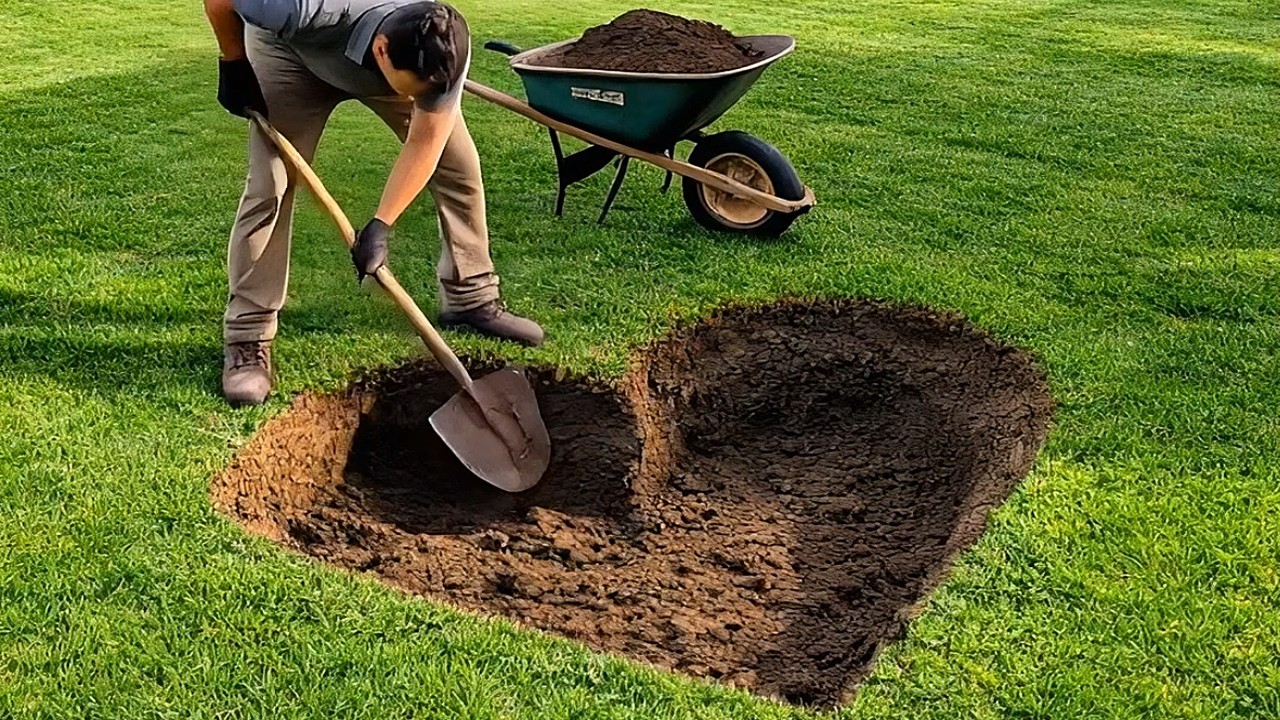
- Site assessment and design, verify utilities, grades, drain courses, and wall clearances. Excavation and base preparation, install geotextile if needed, add base in lifts, compact to spec. Screeding bedding sand and setting pavers, keep lines and patterns, cut borders precisely. Edge restraint setup and compaction, use a safeguarded plate, sweep polymeric sand twice. Detailing and clean-up, trigger joints, water management test, and last walk through.
Miss one, and the system reveals it. Get them right, and the outdoor patio looks effortless.
Best paver patio designs for Pasadena homes
A few combinations dependably elevate regional homes without seeming like catalog sets.
Spanish Revival courtyards come alive with natural stone pavers in a warm buff tone, toppled edges, and an inset of hand painted tile by the entry. Low stucco walls can function as seating ledges, fitted with salt glazed coping. Add a gas outdoor fireplace off axis, not focused, to keep sight lines open. Plant rosemary and citrus in big planters to perfume the evening.
Midcentury cattle ranch homes like simple geometry. Big format concrete pavers in ash gray laid on a grid, separated by 2 inch strips of decomposed granite or ground cover, produce a crisp balcony that cools rapidly. A linear fire pit installation with smooth board formed concrete sides echoes the horizontal lines of the home. Low gabion accent walls double as benches and retain a small grade change.
Craftsman bungalows radiance with brick pavers in herringbone and a bluestone or granite border. Actions in the same stone as the border result in a stone pathway that curves through a dry spell tolerant front garden. Retaining walls made from ledgestone face a brief rise to the deck, with capstones large enough for coffee cups throughout morning chats.
Contemporary hillside constructs deal with modular concrete pavers in two sizes, a restrained scheme, and mindful lighting. Stainless steel cable television railings keep the view while maintaining security. An integrated in grill and counter set into a stucco and stone island keeps cooking smoke away from seating. For windier perches close to the Arroyo, I define wind screens with laminated glass tucked into steel channels behind the seating group.
Walkways, actions, and the garden journey
The path from curb to door shapes impressions more than paint color. Stone walkways set in a running bond with a subtle curve welcome a slower speed. On narrow side backyards where neighbors are close, I expand walkways to 4 feet if space allows so two people can pass without turning sideways. Ridgeling outdoor living garden pathway ideas typically consist of a rhythm of broader landings, brief 8 to 10 foot straight areas that open onto a planter or sculpture, then narrow once again. That cadence breaks monotony in long side yards.
Where a patio area satisfies a course, I like to raise the path a half inch so rain does not backflow into the patio area when it sheets down. On slopes, long treads and short rises feel safer. Usage incorporated low voltage lighting on the step risers and under caps at retaining walls. Night security and drama get here together.
Outdoor cooking areas that cook and tidy easily
Pasadena outside kitchen area concepts normally start with the grill, but end with clean-up and storage. I focus on counter depth and a landing zone to the right or left of the grill. Gas lines should keep up licenses and to code, with shutoff valves in an accessible but not apparent location. A sear station and side burner are good, however a small prep sink with a plumbed drain changes how you utilize the area. Select countertops with anti-UV sealers. Engineered porcelain slabs have actually made headway because they withstand citrus and white wine spots much better than some natural stones.
If the outdoor patio hosts both dining and lounging, put the kitchen area so smoke wanders away from seats based on your common afternoon breeze. In this valley, air generally moves from east to west at night. Set home appliance cutouts to standard sizes so you can update later on without renovating stone. That is another peaceful benefit of interlocking pavers underfoot. If you include a footing for a pergola or shade cruise post, you can raise and communicate the field without a permanent scar.
Fire features that fit the space
An outdoor fireplace anchors an outdoor patio, however it declares visual space and airspace. On tighter lots, a low linear fire pit installation offers heat and glow without obstructing views or discussion. Gas with lava rock is simple to handle, but ceramic logs maintain heat and look more traditional. Place seating 2 to 3 feet from the edge for comfort. For wood burning, verify regional constraints, and site it well away from structures and trees. When a customer likes the ritual of wood but lives below overhanging oaks, I recommend a gas fire pit with a steel stimulate screen for windy nights. Everyone sleeps better.
Drainage, watering, and plantings that respect the hardscape
Paver patios can endure incidental water, however they do not like watering that sprays joints nighttime. I choose drip lines in surrounding beds and brief cycle sprays pointed away from the outdoor patio edge. If an automatic system is non negotiable, include a narrow gravel strip as a sacrificial border to capture overspray and motivate seepage. Under the patio area, use strong drain lines to move roofing water to the curb where legal. Trenching happens before the base goes in, not after.
Plant option matters for discolorations. Olive trees, jacaranda, and unpleasant fruiting shrubs bleed tannins and sugars that darken joint sand and paver faces. If you love them, keep them off the patio area edge or plan seasonal cleanup. Sage, rosemary, and westringia supply green softness without the sticky film. In shaded lawns near Linda Vista, moss and algae can grow in cool months. Select pavers with some texture to decrease slip, and schedule a mild, non corrosive cleaner wash each spring.
Budget truth and where to spend
Patio setup expenses vary extensively with access, demolition, and site conditions. As a loose variety for Pasadena, simple concrete paver outdoor patios typically land in between 22 and 35 dollars per square foot turnkey. Natural stone pavers can extend from the mid 40s to 70 or more depending on stone, format, and cutting. Retaining walls add significantly, even brief ones, so plan your balconies thoroughly. The most efficient spend is constantly in base work and drainage. After that, focus on a border detail that ties the outdoor patio to the home, lighting you will use nightly, and a single feature that defines purpose, either a dining pergola or a lounge with a fire element. You can constantly include a cooking area later on if the gas and electric conduits are in place beneath the pavers.
How to choose the ideal partner
A great patio contractor brings process, not simply promises. Utilize this list to separate marketing from proficiency:
- Ask to see a patio area a minimum of three years old, face to face, not just photos. Request compaction specs in composing, consisting of base depth by area. Confirm drainage strategy and surface elevations at doors and walls. Verify licensing, insurance coverage, and who is really on your crew. Get a sample board on site to evaluate color in morning and late light.
Homeowners in some cases ask if they must break the job into parts to conserve cash. Phasing can work, specifically when retaining walls must precede. Simply beware not to bury work you will reverse. When Ridgeline Outdoor Living phases a develop, they generally rough in conduits and stubs for future lighting or gas while the patio is open. That foresight costs little and conserves a fortune later.
When to bring in engineers and permits
Pasadena is practical about authorizations, however it is not a shrug. Retaining walls, gas lines, and electrical work need evaluation. Hardscape less than 30 inches above grade usually prevents guardrail requirements, however stairs and modifications in elevation require safe rises and runs. If your retaining wall steps over 4 feet or supports an additional charge, such as a driveway or a structure, expect a structural design. In high fire seriousness zones, spark arrestors and clearances around hardscaping guide fire functions are standard. Ask your paver contractor how they handle permitting. The ones worth working with have relationships at the counter and know when to hire a soils engineer instead of try to argue a detail with an inspector on site.
Maintenance that keeps the patio area fresh
Interlocking pavers request for little if set up correctly. Sweep sometimes, wash dust in dry months, and resand joints where traffic or pressure washing has actually opened them. Polymer sand technology has enhanced, however it is not concrete. Anticipate leading ups every few years on high traffic paths. Sealers are optional. I recommend breathable penetrating sealants for natural stone to withstand oil and tannin spots. For concrete and brick, test a small location initially to avoid color shifts. Keep trees limbed up so leaf litter does not load into joints. If a slab edge heaves slightly after a heavy storm, a veteran professional can raise, remedy the base pocket, and relay. That reversibility is among the peaceful strengths of a paver system.
Bringing everything together
A well developed patio area connects house and garden, individuals and place. In Pasadena, it likewise stands as a small piece of infrastructure, managing water and movement with grace. The very best paver patio styles for Pasadena homes are not trends, they are responses to climate, architecture, and day-to-day practices. Whether you are drawn to brick pavers that echo a century old deck, concrete pavers cut to crisp rectangles for a contemporary terrace, or natural stone pavers that soften sunlight, the craft below stays the same.
If you pick a group like Ridgeline Outdoor Living, expect them to obsess over slope, edge details, and how chairs really pull out. Anticipate your retaining walls to drain pipes easily and your stone walkways to flow the way you do when bring groceries from the automobile. That is the difference between a surface area you stroll on and an area you live in.
When you are prepared, begin simply. Stroll your lawn at dawn and once again at dusk. Note where the light pools and where you gather. Sketch the paths you take from cooking area to grill, from back entrance to herb garden. Then generate a patio contractor who listens before measuring. The right conversation causes the ideal information, and the ideal details cause a patio area that makes its place for decades.
Business Name: Ridgeline Outdoor Living
Address: 845 E Walnut St, Pasadena, CA 91101, United States
Phone: (626) 469-5822
Ridgeline Outdoor Living
Ridgeline Outdoor Living is a Pasadena-based landscape design-build company serving Greater Los Angeles with custom outdoor living, hardscape, and drought-tolerant landscape solutions. The company specializes in patios, retaining walls, outdoor kitchens, drainage, hillside projects, and turnkey landscape construction, handling projects from design and permitting through final build and warranty.
845 E Walnut St, Pasadena, CA 91101, USA
Business Hours:
- Monday – Saturday: 8:00 AM – 6:00 PM
- Sunday: Closed
Follow Us: